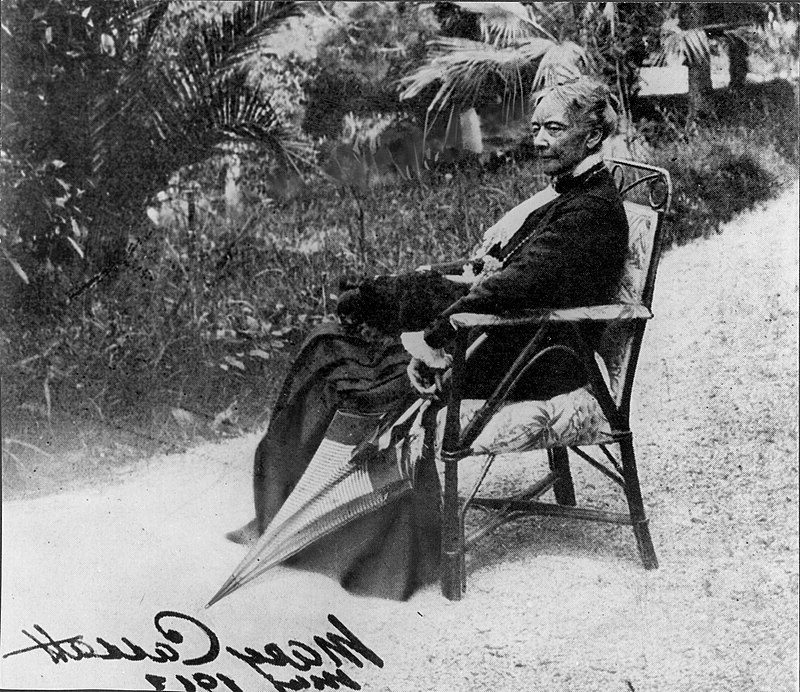
Born: 22 May 1844, Allegheny, Pennsylvania, U.S.
Death: 14 June 1926, Le Mesnil-Théribus, France
Art Movement: Impressionism
Nationality: American
Teachers: Edgar Degas and Camille Pissarro
Institution: Pennsylvania Academy of the Fine Arts
Mary Cassatt: Pioneering American Impressionist of the 19th Century
Early Life and Education
Mary Cassatt‘s journey as an artist began in Pennsylvania and took her to Europe. She learned from renowned painters and developed her own style.
Beginnings in Allegheny City
Mary Stevenson Cassatt was born on May 22, 1844, in Allegheny City, now part of Pittsburgh. She grew up in a wealthy family that valued education and travel.
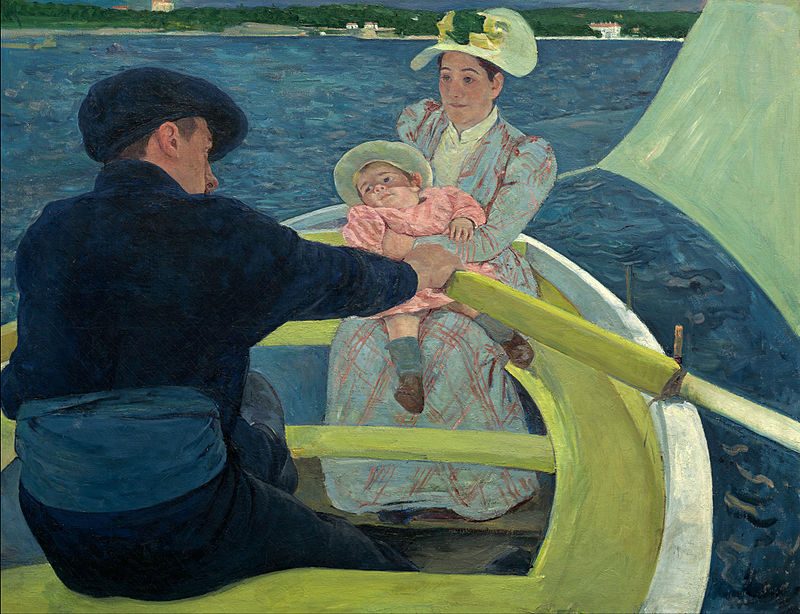
The Boating Party (1893–94) by Mary Cassatt
Her parents supported her interest in art from a young age. They took her on trips to Europe, where she saw famous paintings and museums.
Cassatt started her art training at the Pennsylvania Academy of the Fine Arts in Philadelphia. She studied there from 1861 to 1865.
Artistic Development in Europe
In 1866, Cassatt moved to Paris to continue her art education. She copied Old Masters’ paintings in the Louvre to improve her skills.
At that time, women couldn’t attend the École des Beaux-Arts. So Cassatt took private lessons from famous French artists instead.
She traveled around Europe, studying different painting styles. Her work was accepted into the Paris Salon in 1868, a big achievement for a young artist.
Influences and Mentors
Edgar Degas became a key mentor for Cassatt. He invited her to show her work with the Impressionists in 1877.
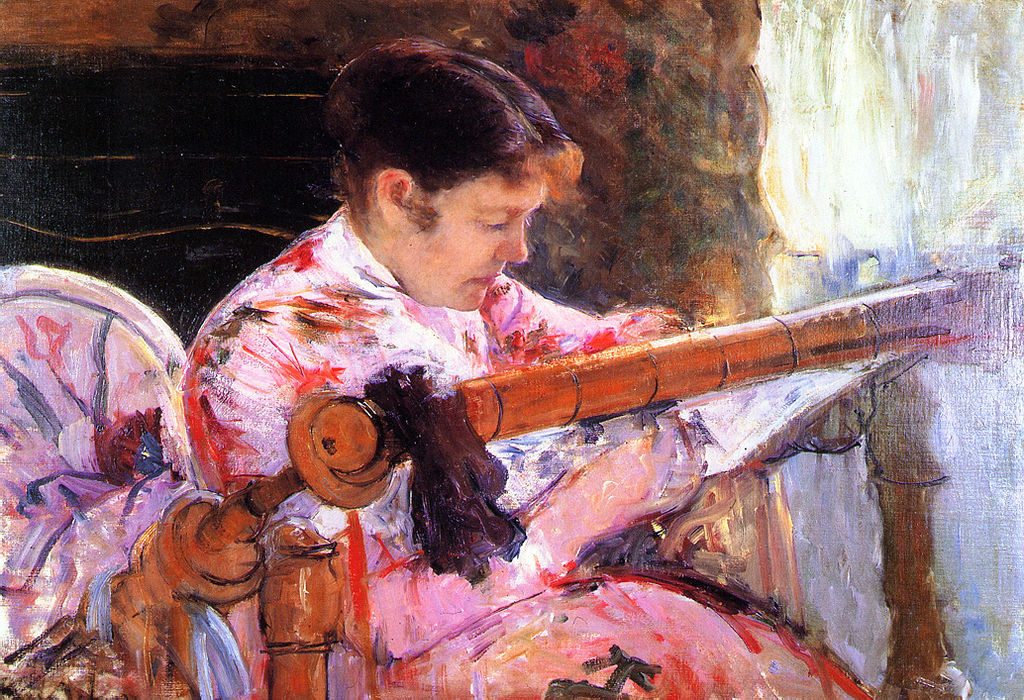
Lydia at the Tapestry Loom (c. 1881) by Mary Cassatt
Cassatt learned new techniques from Degas and other Impressionists like Camille Pissarro. She started using brighter colors and painting everyday scenes.
Japanese prints also inspired Cassatt’s work. After seeing them at the 1890 exhibition in Paris, she created a series of color prints in a similar style.
Professional Career
Mary Cassatt developed a successful career as a painter and printmaker in Paris. She became known for her unique style and themes.
Association With the Impressionists
Cassatt joined the Impressionist circle in 1877 after Edgar Degas invited her. She was the only American artist in this group.
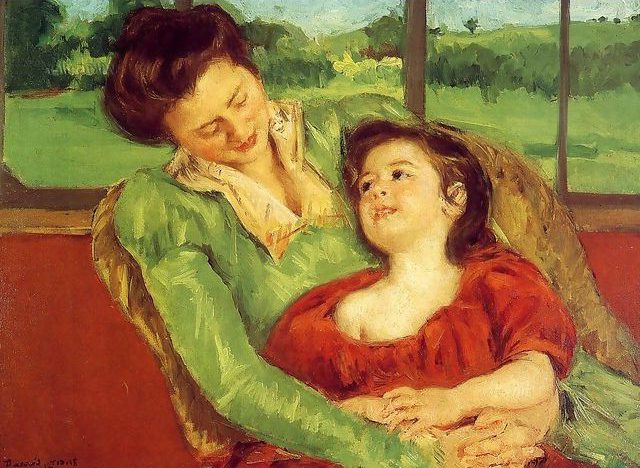
Mère et enfant (Reine Lefebre and Margot before a Window) (c. 1902)
Cassatt exhibited her work with the Impressionists several times. Her loose brushwork and light colors fit well with Impressionist techniques.
Cassatt formed a close friendship with Degas. They shared ideas about art and supported each other’s work. This connection helped Cassatt grow as an artist.
Prominent Works and Technique
Cassatt created many notable paintings and prints. “The Child’s Bath” and “Little Girl in a Blue Armchair” are among her famous works. She often used oil paints but also made prints.
Her style blended Impressionist and Japanese influences. Cassatt used bright colors and bold outlines. She paid close attention to light and shadow. Her compositions were often asymmetrical.
Cassatt’s printmaking skills were highly respected. She made many etchings and drypoints.
Themes and Subjects
Cassatt focused on depicting women and children in everyday settings. She painted mothers caring for babies and kids playing. These “mother and child” scenes became her signature subject.
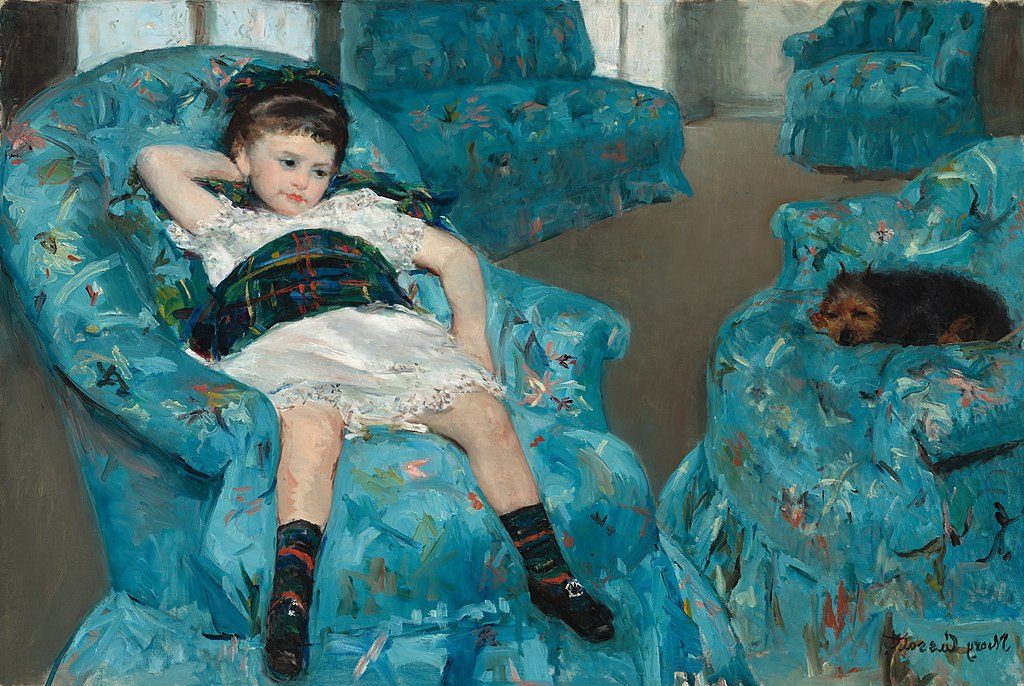
Little Girl in a Blue Armchair (1878) by Mary Cassatt
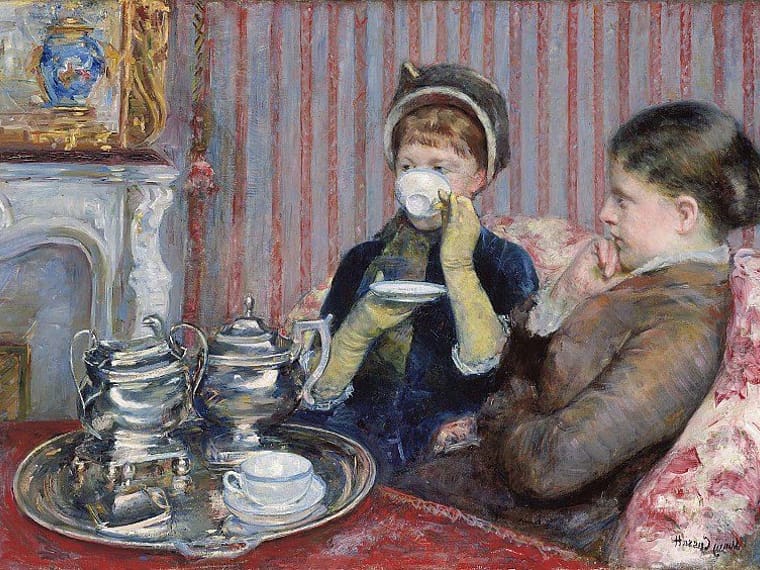
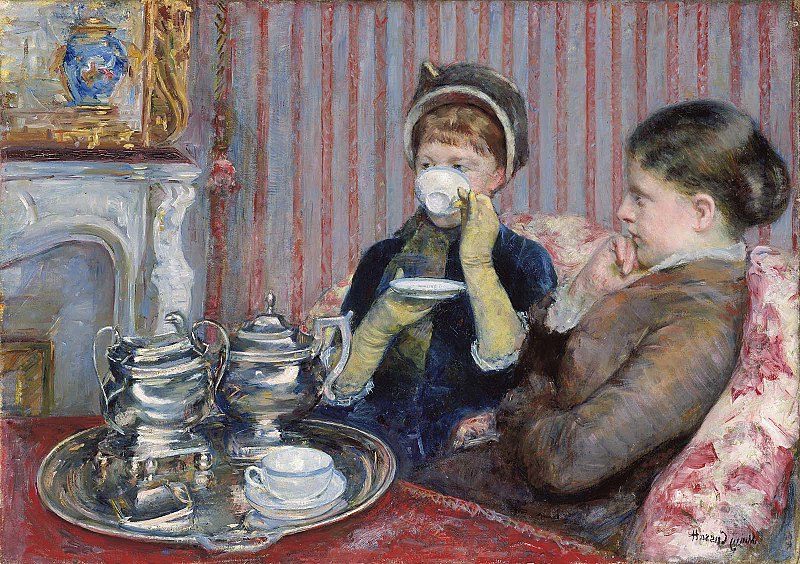
She also created portraits and scenes of upper-class social life. “In the Loge” shows a woman at the opera. Cassatt painted women reading, sewing, and having tea.
Her work gave dignity to women’s daily lives. She showed women as active and thoughtful. This approach supported feminist ideas of her time.
Legacy and Influence
Mary Cassatt’s art and advocacy left a lasting mark on the art world and society. Her unique style and subject matter shaped future generations of artists and art lovers.
Contributions to Art History
Cassatt helped bring Impressionism to America. She introduced many wealthy Americans to French Impressionist paintings. This led to more American museums and collectors buying these works.
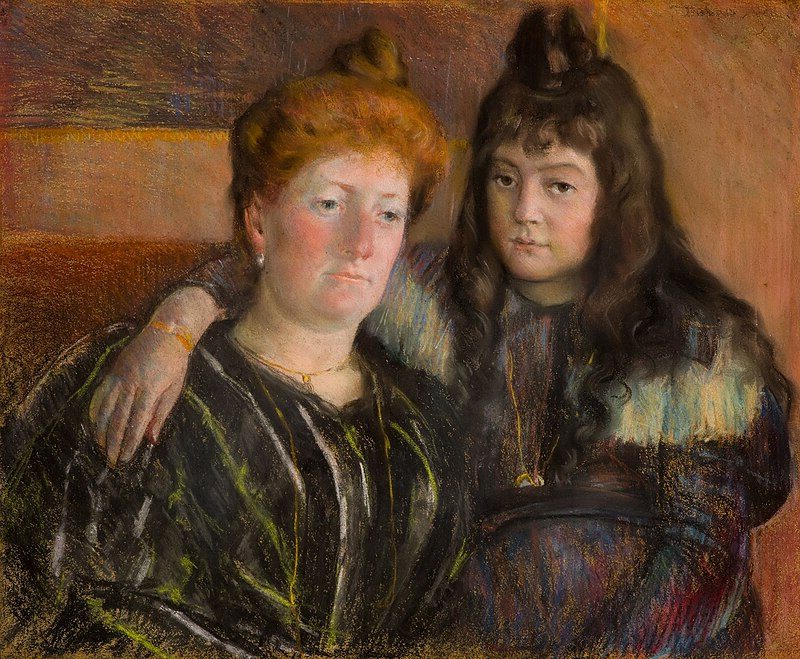
Madame Gaillard and Her Daughter Marie-Thérèse (1899)
Cassatt’s focus on mothers and children created a new genre in art. She painted everyday scenes of women’s lives with care and skill. This approach influenced later artists to explore similar themes.
Her mastery of pastels and printmaking techniques also inspired other artists. Cassatt’s Japanese-inspired prints were especially innovative for their time.
Feminism and Representation
Cassatt’s art gave women a voice in the male-dominated art world. She painted women as active and thinking beings, not just pretty objects.
Her scenes of mothers caring for children celebrated women’s roles. But she also showed women reading, thinking, and going about daily life.
Cassatt supported women’s right to vote. She used her art to raise money for the cause. Her paintings of modern women helped change how society saw women’s abilities and worth.
Cassatt’s Impact on Collections
Major museums now proudly display Cassatt’s work. The Metropolitan Museum of Art in New York has a large collection of her paintings and prints.
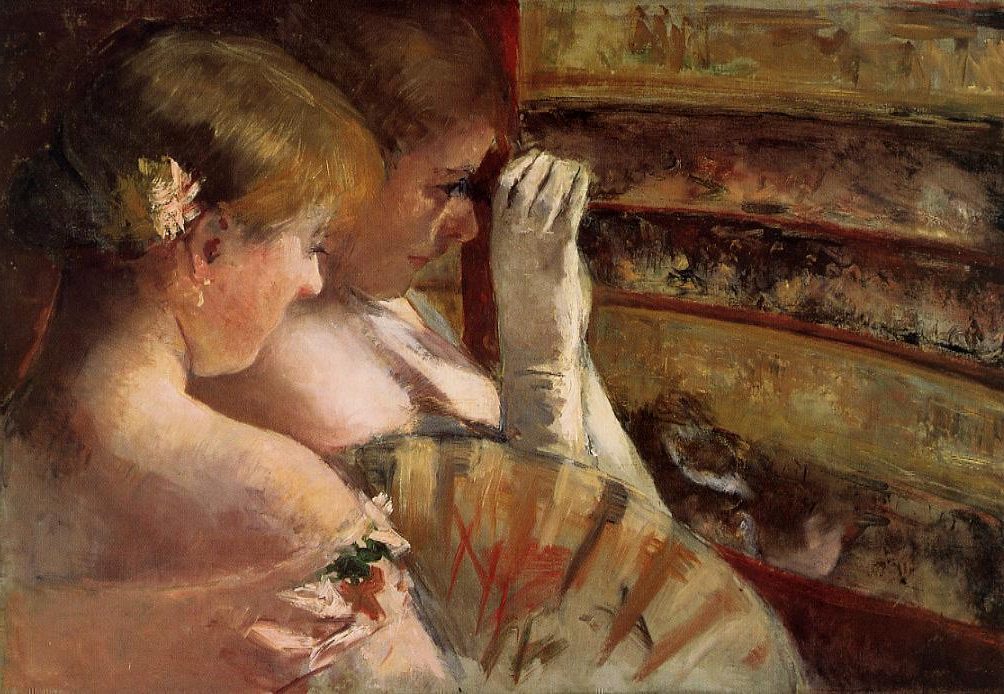
In the Box (1879) by Mary Cassatt
The National Museum of American Art, part of the Smithsonian, also holds many Cassatt works. These pieces show her range and skill as an artist.
Cassatt’s art is popular with private collectors too. Her paintings of mothers and children often sell for millions at auction. This shows how much her work is still valued today.
Frequently Asked Questions
Mary Cassatt was a talented and influential American painter. She had a unique artistic style and led an interesting life.
What did Mary Cassatt enjoy painting the most?
Mary Cassatt loved painting mothers and children. She often showed the close bond between them in her work. Cassatt also liked to paint women in everyday settings.
How much are Mary Cassatt paintings worth?
Mary Cassatt’s paintings can be very valuable. Some have sold for millions of dollars at auctions. The exact price depends on the size, subject, and condition of each painting.
What are some interesting facts about Mary Cassatt?
Mary Cassatt spent most of her adult life in France. She was good friends with Edgar Degas, another famous painter. Cassatt helped bring Impressionist art to the United States.
How old was Mary Cassatt when she passed away?
Mary Cassatt died at the age of 82. She passed away on June 14, 1926, in France.
How many paintings are attributed to Mary Cassatt?
The exact number of Mary Cassatt’s paintings is not known. She created hundreds of works throughout her career. This includes oil paintings, pastels, and prints.
Why did Mary Cassatt cease painting later in her life?
Mary Cassatt stopped painting in her later years due to poor eyesight. She developed cataracts and could no longer see well enough to paint. This happened around 1914, about 12 years before she died.
Key takeaways
- Mary Cassatt: Early Life and Education.
- Mary Cassatt: Professional Career.
- Mary Cassatt: Legacy and Influence.
Editorial note
Masterful Artists publishes editorial profiles and art history explainers based on public sources, museum material, and reference publications.