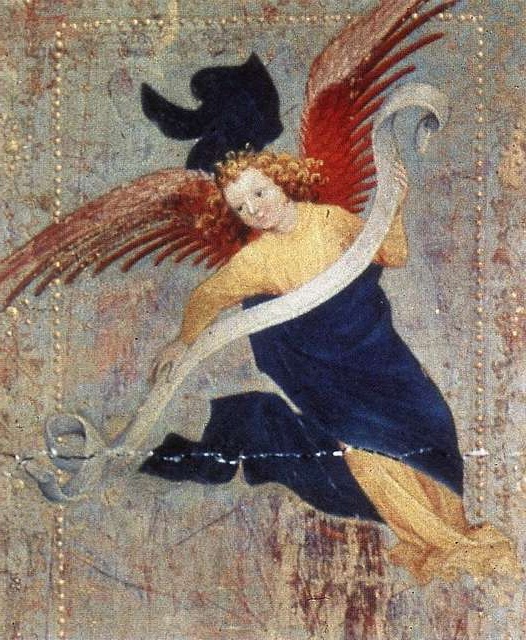
Born: 1350, Ypres Belgium
Death: 1409, Ypres Belgium
Art Movement: Gothic Art, Flemish primitives
Nationality: Belgian
Commissioned by: Philip the Bold, the Duke of Burgundy
Influenced by: Pietro Lorenzetti, Ambrogio Lorenzetti
The Altarpiece of the Crucifixion by Melchior Broederlam in 1395, present in the Dijon Museum of Fine Arts
Life and Career of Melchior Broederlam
Melchior Broederlam was an influential figure in early Northern Renaissance art, renowned for his work as a court painter in Burgundy and his contributions to the development of panel painting.
Early Life
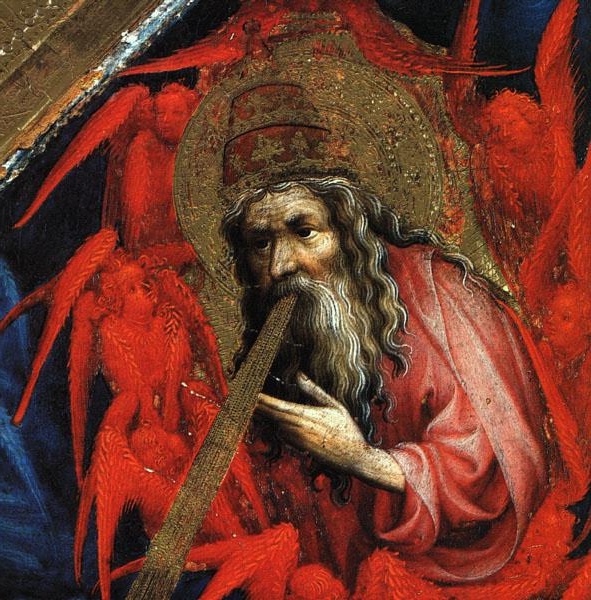 God the Father – Central Panel from Altarpiece of Philip the Bold by Melchior Broederlam, 1399
Broederlam was born in Ypres, a city with a rich tradition of art and craftsmanship. Records detailing his date of birth are scarce, but historical accounts suggest that his early career involved a significant period in Italy. This exposure to Italian artistic styles greatly influenced his subsequent works.
Court Painter to Philip the Bold
By 1384, Broederlam earned the prestigious position of court painter and valet de chambre for Philip the Bold, the Duke of Burgundy. His commissions included works for both Philip and his successor, John the Fearless. Broederlam painted the famed Dijon Altarpiece while in service, showcasing the International Gothic style that was emerging as a new artistic movement in Dijon.
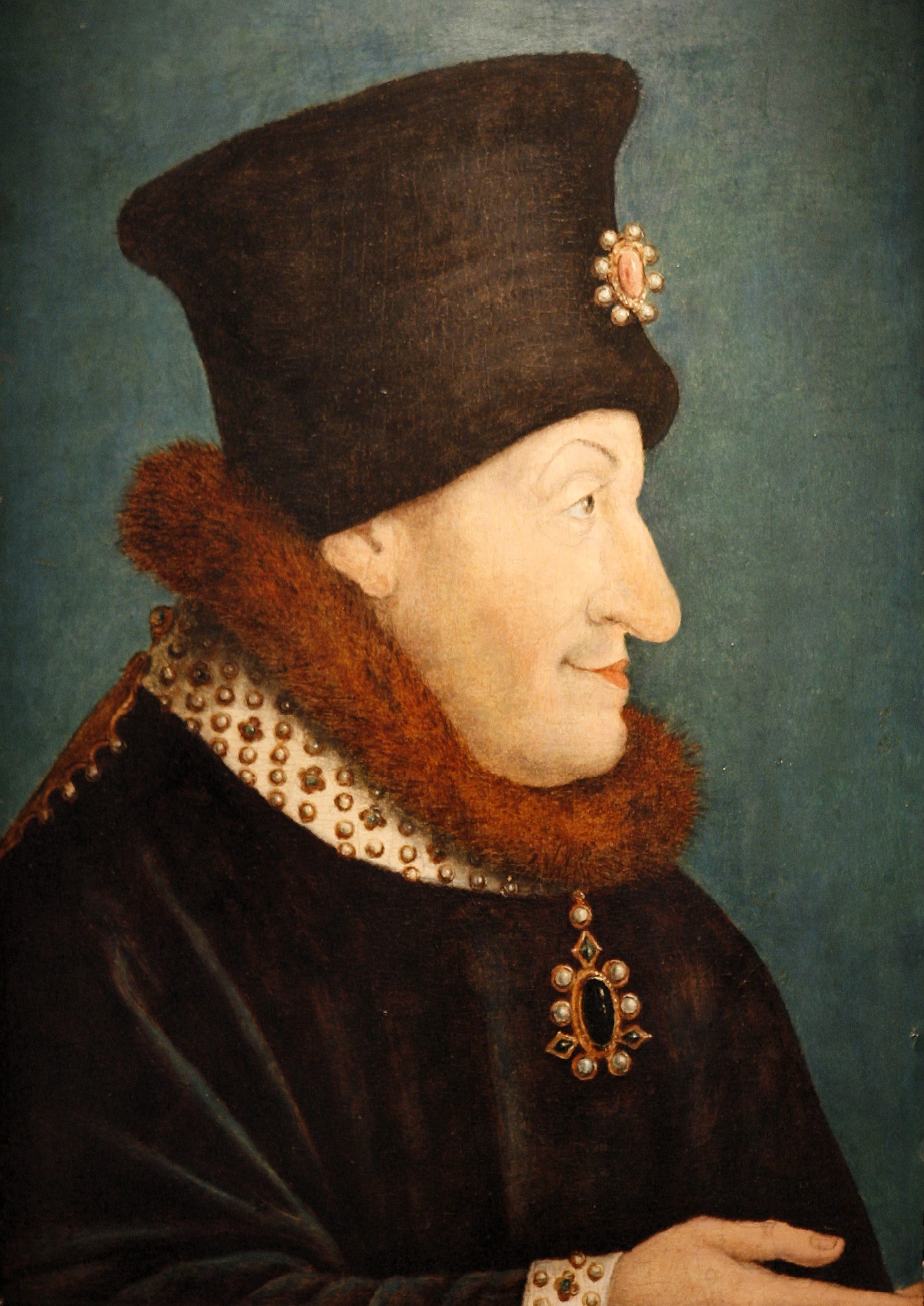
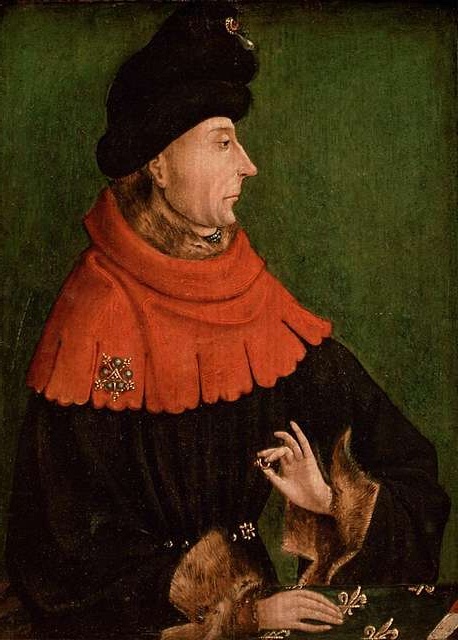
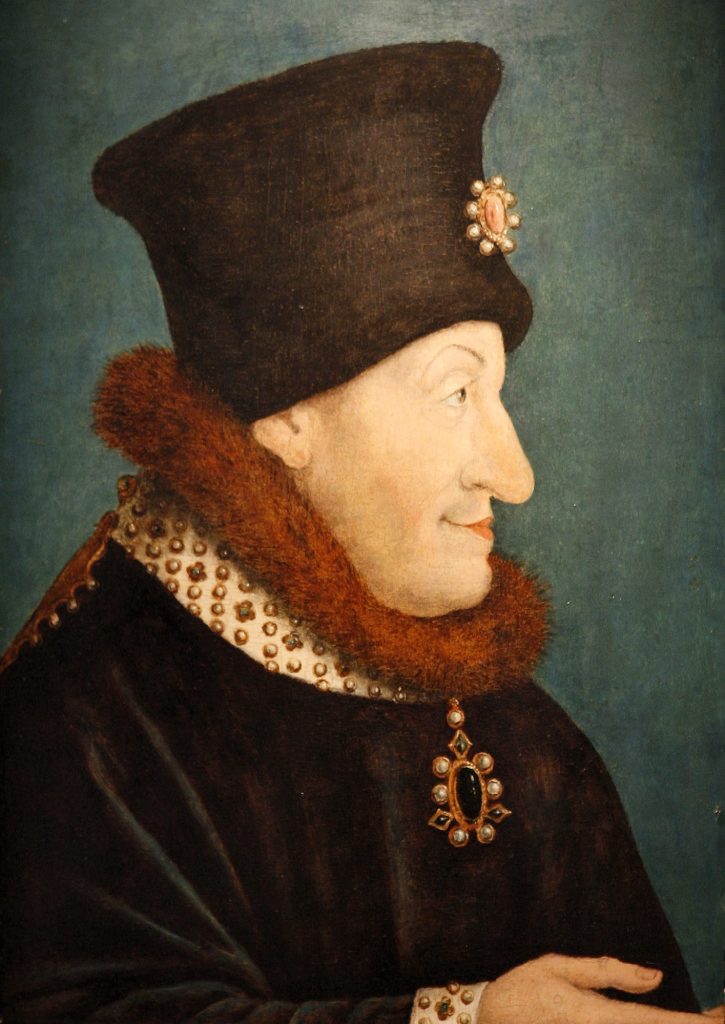 Philip the Bold, the Duke of Burgundy.
Influence and Success
Broederlam’s ability to marry traditional Flemish artistic elements with the space and perspective learned from Italian Trecento painting set him apart. His work preceded and influenced the celebrated Flemish Primitives. Despite the limited number of surviving works attributed to him, Broederlam’s role as a bridge between the old and the new approaches to painting affirms his place in art history.
Artistic Style and Contributions
Melchior Broederlam is acknowledged as a pivotal figure in the transition from Gothic to Early Netherlandish painting. His work marries the decorative elements of Gothic art with the emergent techniques of naturalism, setting the stage for future artists like Jan van Eyck.
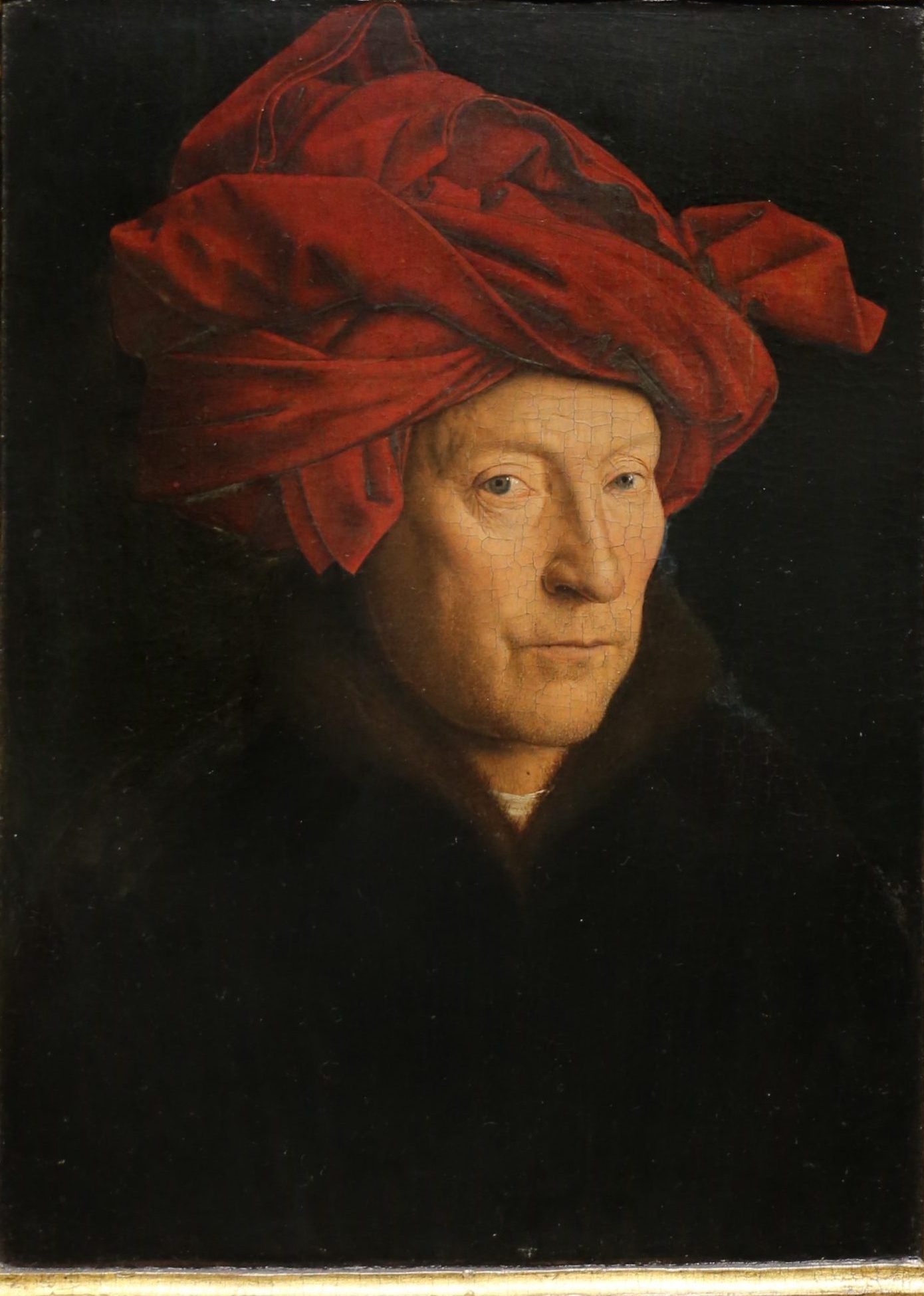
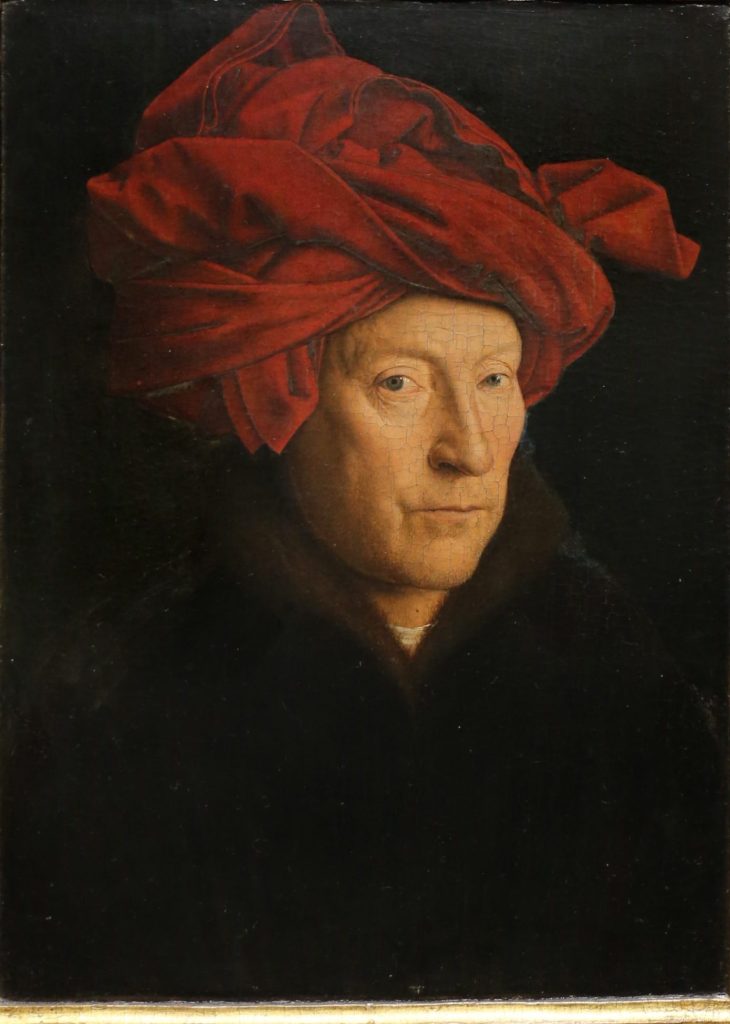 Jan van Eyck’s Portrait of a Man in a Red Turban
Development of Gothic Style
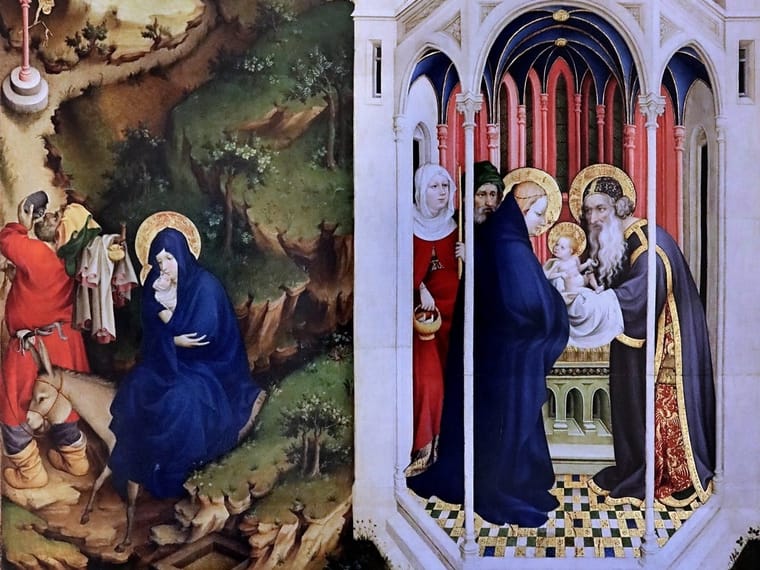
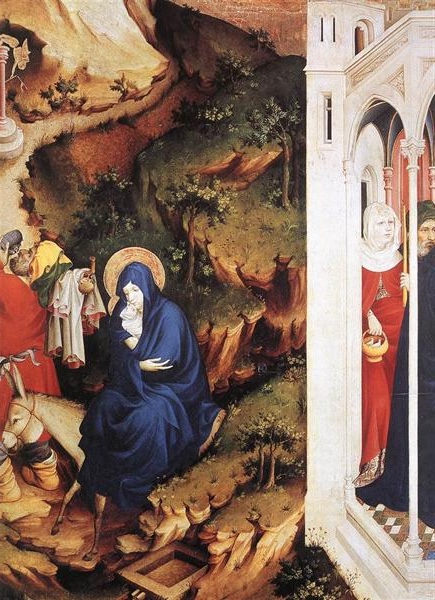
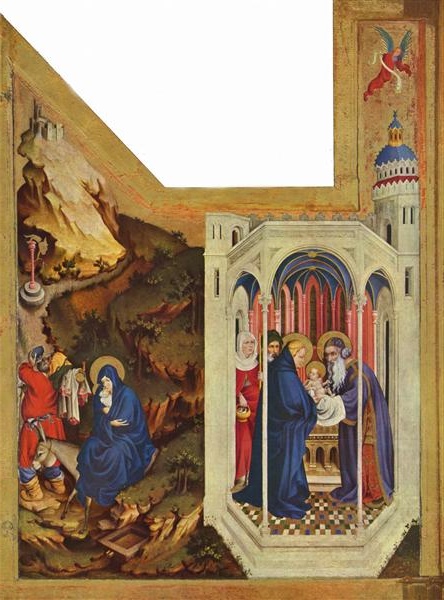
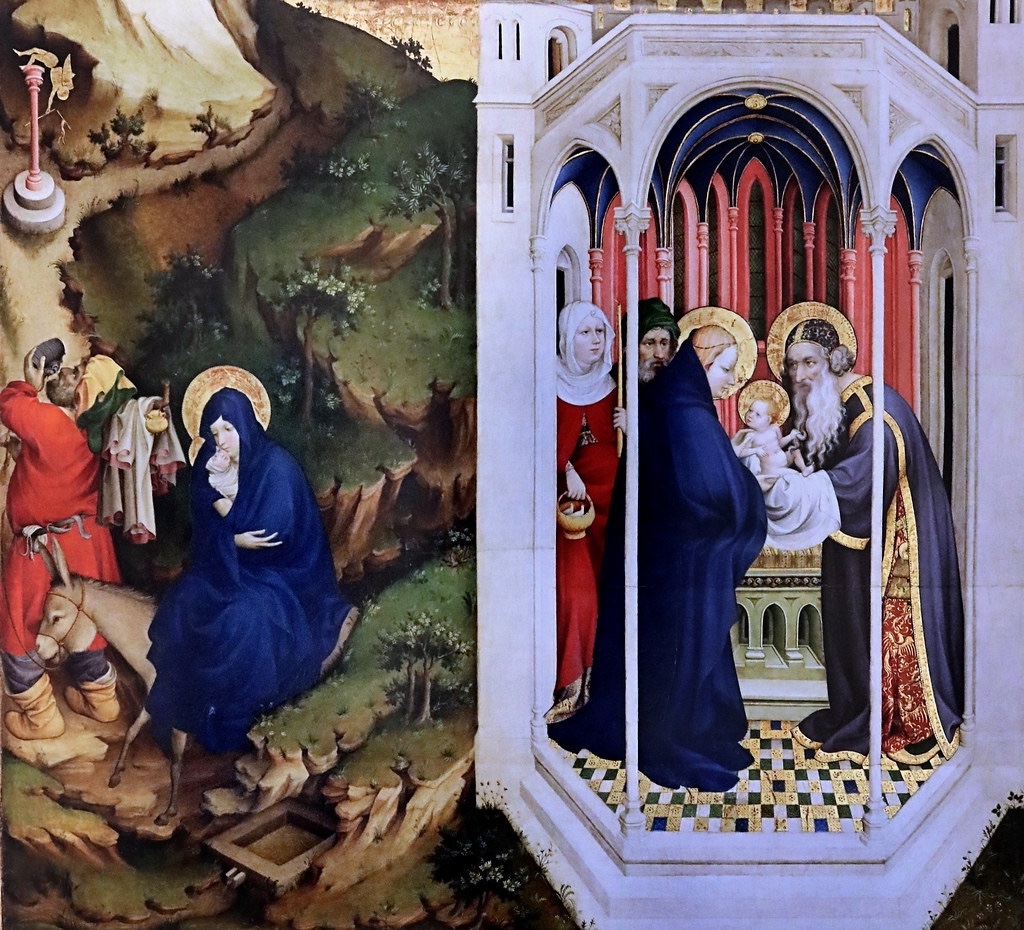
Broederlam, a renowned Early Netherlandish painter, was instrumental in the evolution of the Gothic style. He utilized oil paint to create depth and detail previously unseen in Netherlandish painting. Working on commissions such as the altarpiece for the Chartreuse de Champmol, crafted by Jacques de Baerze, Broederlam’s paintings, including the “Flight into Egypt” and the “Annunciation,” exemplified the intricate nature of Gothic art. These works were characterized by their elongated forms and the detailed portrayal of fabric and iconography.
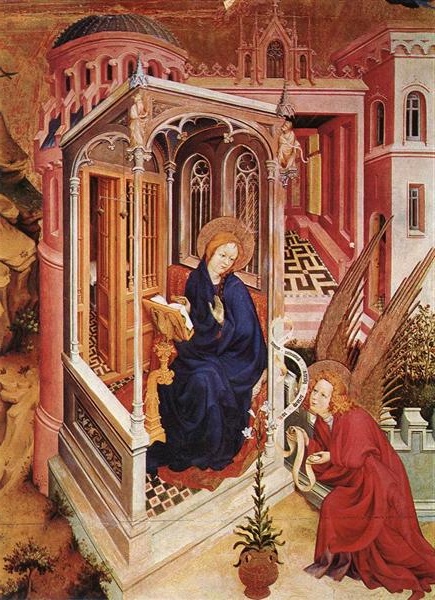 The Annunciation
Integration of Naturalism
Within Melchior Broederlam’s compositions, a notable shift from the stylized forms of Romanesque and International Gothic Art towards naturalism can be detected. This transition is evident in his landscapes, which display a greater sense of realism and attention to detail. He was among the first painters to integrate naturalistic elements in a way that influenced his contemporaries, including the reputed Claus Sluter, and set a precedent for the Northern Renaissance Art.
Advancements in Perspective
Broederlam’s artwork also signaled advancements in the use of perspective. While still in the early stages of its development compared to the Trecento painting of Italy, his use of perspective added a sense of depth to his work that was novel for the time. This use of perspective combined with his employment of disguised symbolism, a technique where every day, seemingly mundane objects hold a deeper, often religious, meaning – referred to as The Divine Breath – highlighted his contributions to the burgeoning Flemish art scene and the larger context of International Gothic.
By integrating these elements into his work, Melchior Broederlam not only contributed to the stylistic evolution of his time but also laid the groundwork for the flourishing of Northern Renaissance art.
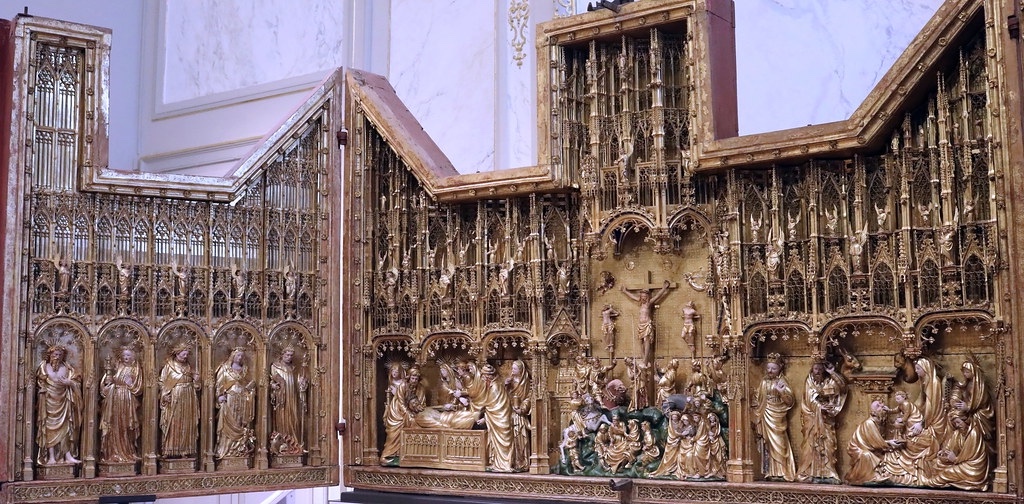 Retable of the Crucifixion
Broederlam’s Masterpieces
Melchior Broederlam is renowned for his innovative approach to Early Netherlandish painting, with his most significant contributions being his altarpieces, which display a sophisticated use of symbolism and narrative.
Altarpiece of Jacques de Baerze
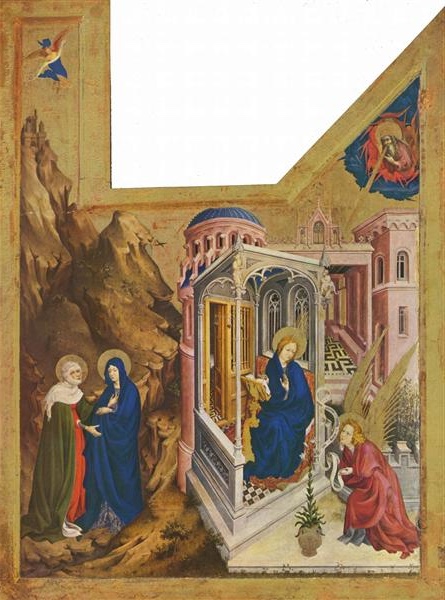
Commissioned for the Chartreuse de Champmol, the Altarpiece of Jacques de Baerze is a prime example of Broederlam’s craftsmanship. The altarpiece’s left and right panels, which are now housed in the Musée des Beaux-Arts in Dijon, showcase biblical stories in vivid detail. These panels were originally part of a larger piece that included sculptures by Jacques de Baerze.
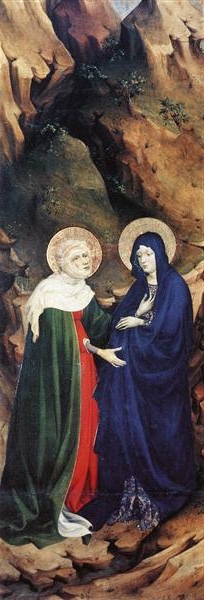 The Visitation
The Annunciation and Visitation Scenes
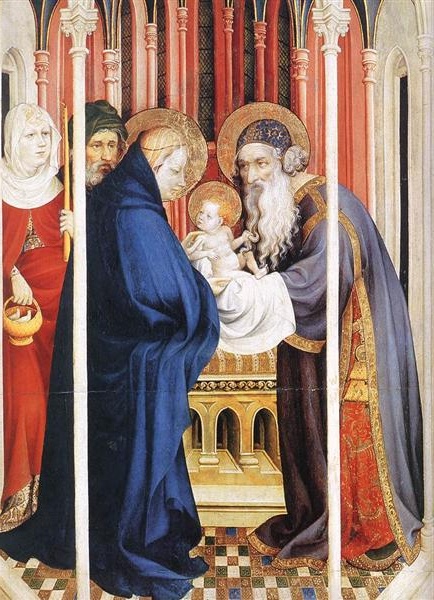
Broederlam’s depictions of The Annunciation and Visitation scenes, found on the Dijon Altarpiece, illustrate key events of the New Testament. These works are distinguished by their intricate iconography, which combines elements of both the Old and New Testaments, serving as an embodiment of theological concepts. His pieces often include complex symbolisms, such as those found in The Presentation of Jesus, further emphasizing his influence in the transition of styles and techniques during the Late Gothic period.
Frequently Asked Questions
This section addresses common inquiries about Melchior Broederlam’s artistic legacy, with a focus on his techniques, themes, and influence in the context of early Netherlandish painting.
What is the significance of the Retable de Champmol and how did Melchior Broederlam contribute to it?
The Retable de Champmol, also known as the Dijon Altarpiece, holds great significance as an early example of Netherlandish panel painting. Melchior Broederlam is credited with its decoration, showcasing a marked transition into the era of detailed realism that characterized the region’s art.
What artistic techniques did Broederlam employ in the Dijon Altarpiece?
In the Dijon Altarpiece, Broederlam utilized a combination of vivid color, intricate detail, and pioneering use of perspective. This underlined a shift towards more naturalistic representation in art.
What themes are depicted in Broederlam’s works, and what was their influence on the art of his time?
Broederlam’s works predominantly feature religious themes, imbued with emotional depth and symbolic elements. They influenced the Early Netherlandish painting by introducing intricate iconography and a focus on narrative detail.
How did Melchior Broederlam’s artistry reflect the cultural and historical context of 15th-century Burgundy?
Broederlam’s art was reflective of the cultural and political milieu of 15th-century Burgundy, marked by its opulence and the patronage of the arts by the Dukes of Burgundy. His works capture the Gothic sensibility of the era with a sense of grandeur and piety.
What are the notable features that distinguish Melchior Broederlam’s style from other artists of his era?
Notable features of Broederlam’s style include the innovative use of oil paint for layering and glazing, the incorporation of Gothic architectural elements, and a masterful representation of drapery and emotion that set his work apart from contemporaries.
How has Melchior Broederlam’s contribution to Early Netherlandish painting been assessed by art historians?
Art historians have assessed Melchior Broederlam’s contributions as foundational in the development of Early Netherlandish painting. His attention to detail and pioneering techniques have afforded him a significant place in the history of Western art.
Key takeaways
- Melchior Broederlam Revealed: Life and Career of Melchior Broederlam.
- Melchior Broederlam Revealed: Artistic Style and Contributions.
- Melchior Broederlam Revealed: Broederlam’s Masterpieces.
Editorial note
Masterful Artists publishes editorial profiles and art history explainers based on public sources, museum material, and reference publications.